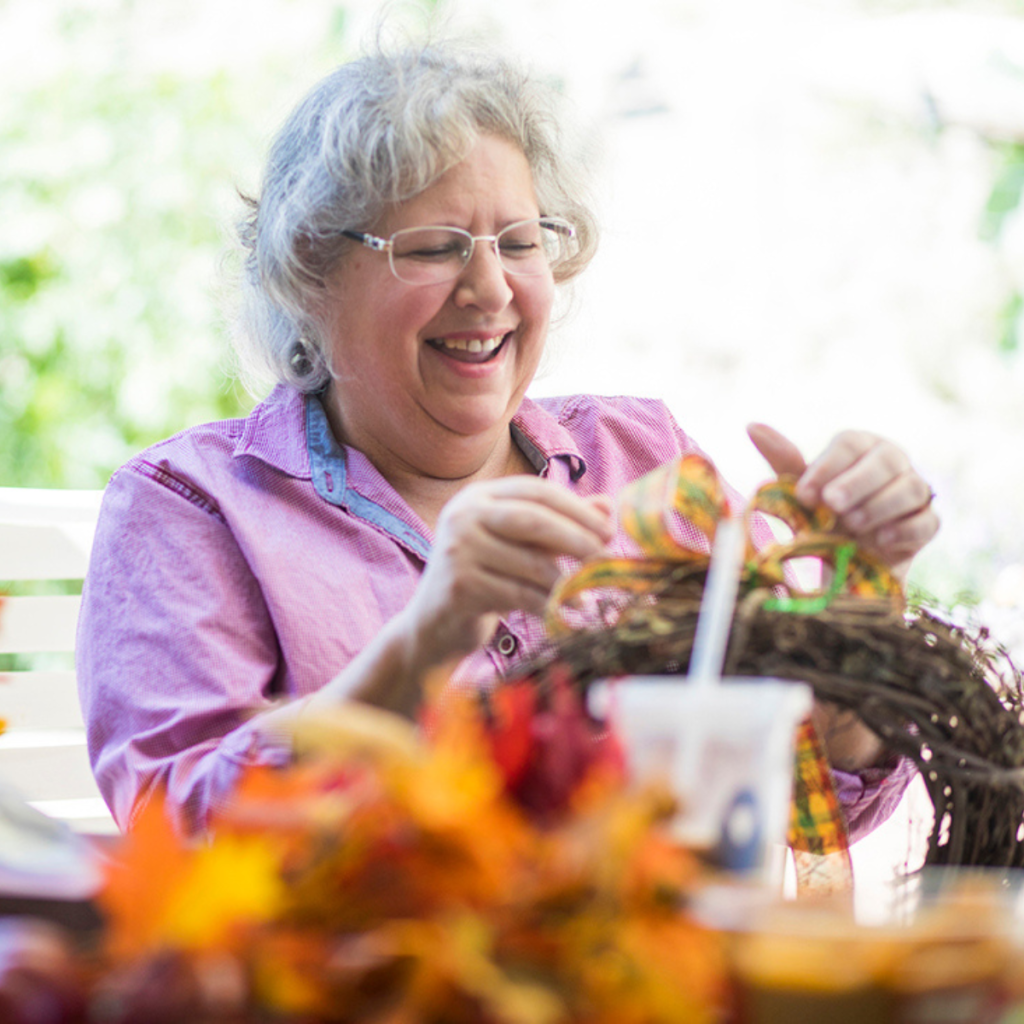
Healthy eating for senior living is about more than what is on the plate; it is about supporting strength, independence, and overall quality of life as adults age. By pairing smart food choices with regular movement, stress management, and routine medical care, seniors can protect their hearts, maintain energy, and feel their best each day.
Healthy habits don’t need to be complicated; small, consistent steps can make a meaningful difference in long-term wellness.
Eating For Heart Health

Eating for heart health means focusing on choosing foods that support healthy blood vessels, steady blood pressure, and balanced cholesterol levels.
For older senior adults, this style of eating can lower the risk of heart disease and stroke while also supporting energy, brain function, and overall quality of life.
Key nutritional habits for seniors:
- Emphasizing fruits, vegetables, and whole grains to provide fiber that helps lower LDL (“bad”) cholesterol and support healthy digestion.
- Choosing lean proteins such as fish, skinless poultry, beans, and low‑fat dairy to provide essential nutrients without excess saturated fat.
- Limiting foods high in saturated and trans fats, sodium, and added sugars. This includes processed meats, fried foods, and sugary drinks, which can raise blood pressure and cholesterol.
- Using healthier fats like olive oil, avocado, nuts, and seeds in place of butter or shortening.
- Staying hydrated with water and unsweetened beverages. Also, keeping alcohol intake moderate, especially when taking medications or managing chronic conditions.
Combined with regular physical activity and medical follow‑up, eating for heart health becomes a powerful daily strategy to protect the heart and support independent living in later years.
Top 10 Heart Healthy Foods for Seniors
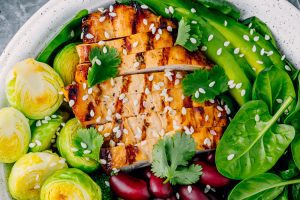
Healthy eating for senior living starts with a balanced diet that includes a variety of nutrient-dense foods from all major food groups.
As older adults often need fewer calories yet more nutrients, each meal is an opportunity to fuel the body with vitamins, minerals, fiber, and protein that support immunity, digestion, and heart health. Colorful fruits and vegetables provide antioxidants and fiber that help support digestion, brain health, and immune function.
Protein is essential for preserving muscle mass and strength as people age, which helps with balance, mobility, and the ability to perform daily tasks. Limiting saturated and trans fats, high-sodium foods, and heavily processed snacks can lower the risk of high blood pressure and heart disease.
Seniors can reduce sodium by choosing low-sodium options when available. Foods that provide important nutrients, such as omega-3 fatty acids, calcium, and vitamin D, benefit both heart and bone health in older adults.These foods can all fit into a variety of meals and snacks and are especially helpful for seniors aiming to protect their heart health.
- Salmon and other fatty fish – Rich in omega‑3 fatty acids, fatty fish like salmon, mackerel, sardines, and trout support healthy triglyceride levels and help reduce inflammation that can affect arteries.
- Oats and other whole grains – Oats, barley, quinoa, brown rice, and whole‑wheat bread provide soluble and insoluble fiber that can help lower LDL cholesterol and support steady blood sugar.
- Leafy green vegetables – Spinach, kale, collard greens, and Swiss chard are packed with vitamins, minerals, and nitrates that support healthy blood pressure and overall vascular function.
- Berries – Blueberries, strawberries, raspberries, and blackberries are rich in antioxidants that help protect cells from damage and may support healthier cholesterol and blood vessel function.
- Nuts and seeds – Almonds, walnuts, pistachios, chia seeds, and flaxseeds offer heart‑healthy fats, fiber, and plant protein; small daily portions can support cholesterol without adding excessive calories.
- Beans and lentils – Black beans, kidney beans, chickpeas, and lentils are high in fiber and plant protein, making them excellent replacements for higher‑fat meats in soups, salads, and main dishes.
- Olive oil – Extra-virgin olive oil provides monounsaturated fat that can improve cholesterol profiles when used instead of butter or shortening in cooking and dressings.
- Low‑fat or fat‑free yogurt and milk – These dairy foods supply calcium, potassium, and protein while keeping saturated fat lower, supporting both heart and bone health for older adults.
- Tomatoes and tomato products – Tomatoes, tomato sauce, and low‑sodium tomato juice contain potassium and lycopene, an antioxidant linked to heart health; choosing low‑salt options is especially helpful.
- Avocados – Avocados are rich in monounsaturated fats, fiber, and potassium; in moderate portions, they can help improve cholesterol levels and support healthy blood pressure.
Incorporating several of these foods into weekly meal plans, while limiting processed, salty, and sugary options, creates a simple, practical approach to eating for heart health in senior living.
Physical Activity and Weight

Healthy eating for senior living is most effective when paired with regular physical activity tailored to each person’s abilities and health conditions. Movement supports weight management, mobility, and heart health, and it can also boost mood and reduce feelings of isolation.
- Aim for 150 minutes of moderate exercise – Guidelines for older adults recommend at least 150 minutes of moderate-intensity aerobic activity each week, such as brisk walking, swimming, or cycling. This can be broken into 30-minute sessions five days a week, or shorter periods throughout the day, and combined with resistance exercises to help maintain muscle strength and bone density.
- Incorporate exercise throughout the day – Short, frequent bouts of activity, like a 10-minute walk after meals, simple stretching while watching TV, or light gardening, can be just as beneficial as one longer workout. These movement breaks help reduce stiffness, support circulation, and make staying active feel more manageable and less intimidating for many seniors.
- Maintain a healthy weight – Balancing calorie intake with daily activity helps keep weight in a range that reduces strain on the heart, joints, and lungs. A stable, healthy weight can improve blood pressure, cholesterol, and blood sugar levels, making it easier to manage conditions such as hypertension and type 2 diabetes, which are common in older adults.
Lifestyle and Medical Management
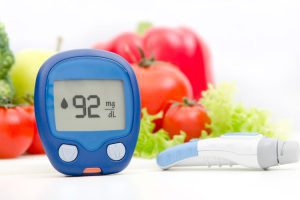
For truly effective healthy eating for senior living, nutrition and exercise work best alongside supportive lifestyle habits and regular medical care. These choices help prevent complications and allow older adults to stay independent in assisted living while enjoying a more active life.
Quit Smoking
Smoking damages blood vessels and accelerates the hardening of arteries, which raises the risk of high blood pressure, heart attack, and stroke. Quitting smoking at any age can quickly improve heart health and blood pressure, and healthcare providers can offer tools like nicotine replacement or counseling to make quitting more successful.
Control Your Numbers
Regularly monitoring blood pressure, cholesterol, and blood sugar with a healthcare provider helps seniors respond early to changes and adjust their diet, activity, or medications. Keeping these “numbers” within recommended ranges significantly lowers the risk of heart disease, stroke, and complications from diabetes.
Get Adequate Sleep
Quality sleep allows the body to repair itself, supports memory and concentration, and helps regulate appetite and blood pressure. Conditions like insomnia or sleep apnea should be discussed with a doctor, because untreated sleep problems can increase cardiovascular risk and reduce daytime energy.
Manage Stress
Chronic stress can affect eating patterns, raise blood pressure, and reduce overall well-being. Relaxation practices such as deep breathing, gentle stretching, social activities, hobbies, and spending time outdoors can calm the nervous system and support both heart and mental health.
Moderate Your Alcohol Intake
If an older adult chooses to drink alcohol, staying within recommended limits and discussing alcohol use with a healthcare provider is important, especially when taking medications. Excessive alcohol intake can raise blood pressure and interfere with both sleep patterns and prescribed treatments, which may increase health risks over time.
See Your Doctor Regularly
Routine check-ups, preventive screenings, and medication reviews help catch potential concerns early and keep treatment plans up to date as needs change with age. Partnering with a trusted healthcare team ensures that healthy eating for senior living, exercise, and lifestyle strategies are tailored to each individual’s medical history and goals.
Healthy eating for senior living is about balance, not restriction. Eating well, staying active, managing stress, and keeping up with regular healthcare enable older adults to live their lives fully, maintaining independence, vitality, and joy every day. Whether it’s trying new flavors, walking with friends, or savoring nutrient-rich meals, each healthy choice is an investment in a longer, happier life.